
frosted tempered glass panels
In the dynamic world of on-site welding, having a reliable, adaptable workspace can transform productivity and precision. Portable welding workbenches are the unsung heroes of construction sites, repair jobs, and mobile fabrication projects, blending durability with mobility to meet the demands of ever-changing environments. Whether you’re a professional welder navigating tight job sites or a DIY enthusiast tackling projects on the go, the right welding workbench can elevate your workflow. This guide explores key features, material choices like welding table cast iron , and budget-friendly options, while addressing common questions to help you make an informed decision. The Core Benefits of a Versatile Portable Welding Workbench A well-designed portable welding workbench is more than a surface to lay materials—it’s a modular hub for efficiency. Look for models with foldable legs or detachable components, allowing quick setup and transport without compromising stability. Many feature built-in storage for electrodes, clamps, and safety gear, reducing clutter and streamlining access during time-sensitive tasks. Durability is paramount in rugged environments. Steel frames with powder-coat finishes resist sparks and corrosion, while reinforced corners withstand heavy impacts. Some benches include adjustable leveling feet, crucial for uneven terrain, ensuring your workpiece remains stable even on gravel, dirt, or sloped surfaces. By combining portability with robust construction, these workbenches become indispensable for projects where traditional stationary tables fall short. Why Welding Table Cast Iron Remains a Gold Standard When it comes to workbench surfaces, welding table cast iron offers unmatched advantages. Its dense, solid structure absorbs vibrations, minimizing weld spatter and ensuring cleaner, more precise beads. Cast iron’s natural heat resistance also prevents warping during prolonged high-temperature tasks, a critical factor for maintaining flatness over time—essential for projects requiring exact measurements. Beyond performance, cast iron surfaces are inherently magnetic, allowing welders to use clamping systems or magnetic fixtures without additional modifications. This feature is especially handy for holding complex angles or irregular shapes, reducing the need for manual positioning and enhancing safety. While cast iron adds weight, many portable designs balance this with lightweight steel frames or hollow-core castings, ensuring mobility doesn’t sacrifice quality. Finding an Affordable Welding Table Without Compromising Quality Budget considerations shouldn’t mean settling for flimsy equipment. Affordable welding tables often incorporate smart design choices, like hybrid frames combining steel and aluminum for strength-to-weight ratio, or powder-coated finishes that mimic premium models at a fraction of the cost. Look for tables with reversible surfaces—one side cast iron for heavy welding, the other smooth steel for grinding or assembly—to maximize versatility. Modular accessories are another cost-effective perk. Many affordable models allow adding vice mounts, tool trays, or overhead shelves later, letting you customize as your needs grow. Online marketplaces and specialty suppliers often offer competitive pricing on pre-assembled or DIY kits, ensuring you get a durable, functional welding workbench without overspending. Remember: an affordable table should still meet safety standards, with load ratings and fire-resistant surfaces suitable for your projects. F AQ s About Portable Welding Workbenches What makes a portable welding workbench ideal for on-site projects? A top-tier portable welding workbench balances three key factors: weight, setup speed, and durability. Look for models under 50 pounds with quick-release latches or foldable legs, letting you assemble them in seconds. Reinforced corners and anti-slip feet ensure stability on rough ground, while heat-resistant surfaces protect against sparks and molten metal. This combination of mobility and ruggedness ensures it keeps up with the pace of demanding job sites. How does a welding table cast iron surface improve weld quality? Welding table cast iron provides a perfectly flat, vibration-dampening base that minimizes workpiece movement during welding. Its high thermal mass absorbs heat evenly, reducing warping in both the table and your materials—critical for maintaining straight seams and precise angles. The surface’s natural porosity also traps small spatter, making cleanup easier and protecting the table from long-term damage. Can an affordable welding table handle heavy-duty projects? Yes, when chosen wisely. Prioritize affordable welding tables with steel tube frames (1.5” or thicker) and load ratings of at least 500 pounds. Look for welded—not bolted—joints for added strength, and check that the cast iron or steel surface is at least ¼” thick. Many budget models exceed basic needs for hobbyists and small-scale professionals, provided you match the table’s specs to your project demands. How do I maintain a portable welding workbench for long-term use? Regular cleaning is key: brush off spatter daily and wipe down with a mild degreaser to prevent corrosion. Lubricate moving parts like hinges or locking mechanisms monthly to keep them smooth. If your table has a cast iron surface, apply a thin layer of machine oil periodically to prevent rust, especially in humid environments. Store it in a dry place when not in use to extend its lifespan. Is a portable welding workbench worth the investment for occasional users? Absolutely. Even infrequent welders benefit from a dedicated workspace that ensures safety and accuracy. A portable welding workbench eliminates the need to jury-rig makeshift tables, reducing the risk of accidents and material waste. Its versatility means it can double as a assembly or grinding station, making it a smart investment for anyone who values efficiency—whether you’re tackling a weekend project or occasional on-site repairs.
about
frosted tempered glass panels
Understanding Level Frames Pricing A Detailed Insight Introduction to Level Frames Pricing In the realm of e-commerce and retail, pricing strategy is a critical aspect that influences buying decisions, customer satisfaction, and overall profitability. One relatively innovative approach gaining traction is level frames pricing. This pricing strategy focuses on creating distinct pricing tiers which not only helps customers understand the value of the products better but also enhances the seller’s ability to cater to various customer segments. In this article, we will explore the concept of level frames pricing in detail, discussing its significance, applications, and potential benefits for businesses. What is Level Frames Pricing? Level frames pricing essentially refers to a system of pricing that categorizes products or services into specific levels or tiers. Each tier represents a different price point along with varying features, benefits, or quality. This pricing structure is designed to appeal to different customer segments based on their budget, preferences, and needs. For example, a software company might offer three versions of its product a basic version at a low price, a standard version with additional features at a mid-range price, and a premium version with all features included at a higher price. This tiered approach allows customers to make informed decisions based on the perceived value of each offering. It also instills a sense of flexibility, as customers can choose the option that best aligns with their requirements and willingness to spend. Benefits of Level Frames Pricing 1. Enhanced Customer Decision-Making By providing clear options at different price points, customers can easily evaluate the trade-offs between price and added features. This transparency makes it easier for them to decide which product aligns with their needs, leading to higher satisfaction levels. 2. Increased Sales Opportunities Level frames pricing can attract a broader range of customers. Some customers may be price-sensitive and opt for the basic version, while others who seek premium features will gravitate towards the higher-end options. This diversity in product offerings increases the likelihood of making a sale to different customer segments. level frames pricing 3. Effective Market Segmentation This pricing framework allows businesses to segment their market efficiently. By offering levels that appeal to varying demographics, businesses can tailor their marketing strategies to target specific audience segments effectively. 4. Revenue Maximization When executed strategically, level frames pricing can lead to increased average transaction values. Customers who initially consider purchasing a lower-tier product might opt for a higher-tier version if they see significant value in the added features, thus maximizing revenue per transaction. 5. Reduced Price Sensitivity Tiered pricing can decrease customers' sensitivity to price changes. When customers perceive a clear value proposition in each tier, they are more likely to view any price changes as justifiable based on the features offered. Challenges of Level Frames Pricing While level frames pricing offers several advantages, it also comes with its challenges. One of the primary concerns is the potential for customer confusion. If the distinctions between tiers are not clearly communicated, customers may struggle to understand the differences and choose the wrong product. To mitigate this risk, businesses must ensure that their marketing materials are clear, concise, and informative. Another challenge is the risk of cannibalization, where customers who might have purchased a higher-tier product opt for a lower-tier option if they perceive it as sufficient for their needs. To minimize this, it’s crucial for businesses to create compelling reasons for customers to choose the higher-tier options. Conclusion Level frames pricing is an innovative approach that can significantly benefit businesses aiming to enhance customer experience and optimize sales. By creating a structured pricing strategy that caters to various customer segments, businesses can improve decision-making, increase sales opportunities, and maximize revenue. However, it is essential to navigate the associated challenges carefully to ensure the effectiveness of this pricing model. As consumers continue to seek value and tailor their purchases to meet specific needs, level frames pricing may well position businesses at the forefront of customer-centric strategies in the competitive retail landscape.
-

High quality industrial productsagement

High quality industrial products
View Details -

Meet the diverse needs of customers

Meet the diverse needs of customers
View Details -

Strict quality control

Strict quality control
View Details -

Top raw materials

Top raw materials
View Details -

Trusted supplier

Trusted supplier
View Details
Our application

news and information

Valvola di ritegno della piscina
Valvole di Controllo per Piscine Importanza e Funzioni Le piscine sono una meravigliosa aggiunta a q
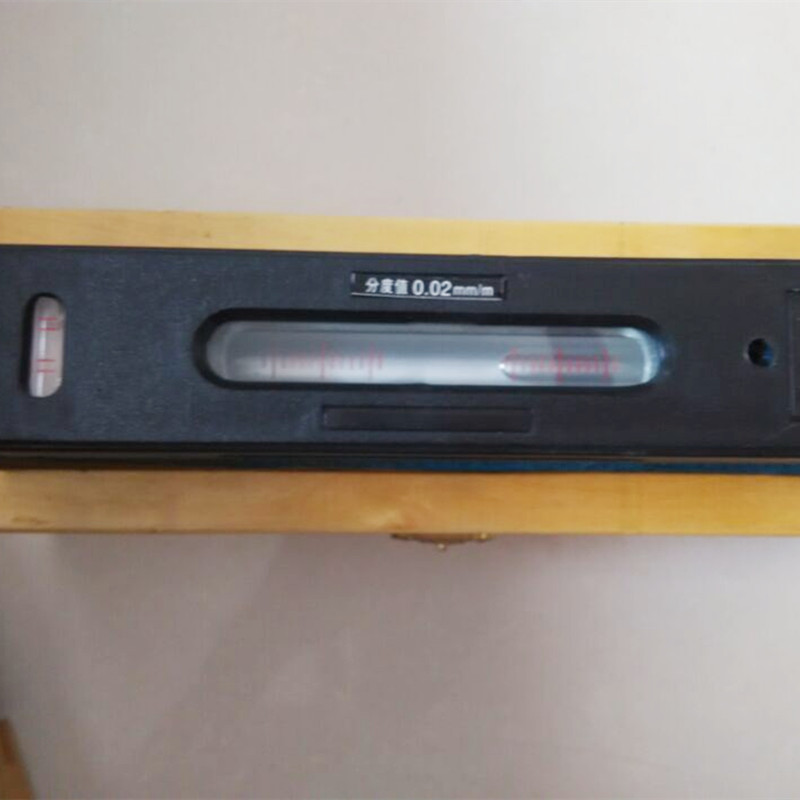
Valve Manufacturing Process and Innovative Techniques for Enhanced Performance
The Evolution and Importance of Valve Factories in Modern Industry Valve factories play a crucial ro
Y Type Strainer with Integrated Drain Valve for Efficient Fluid Management
Understanding Y-Type Strainers with Drain Valves In various industrial applications, ensuring the in
 English